
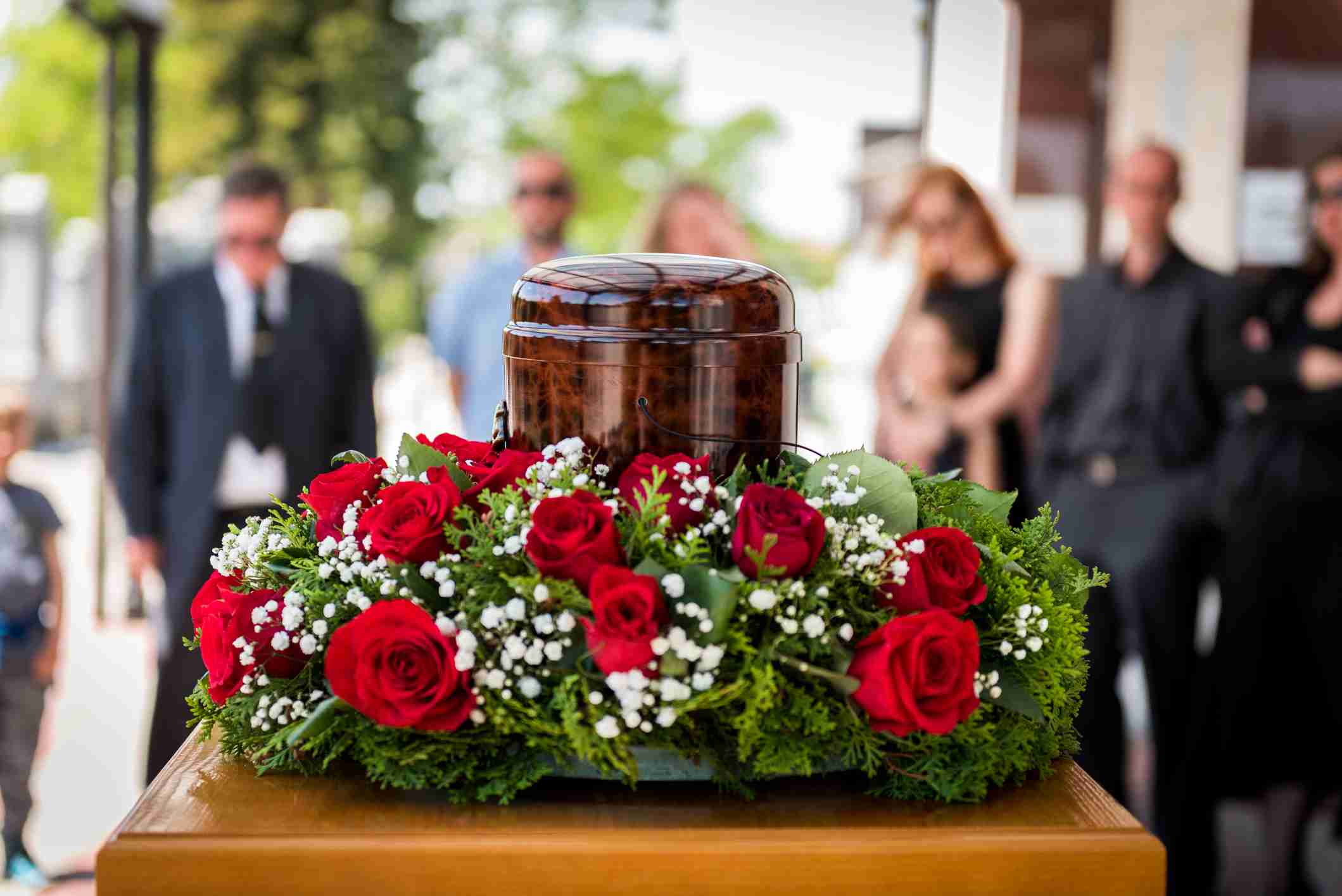
For many families, the moment they hear “the ashes will be returned to you” brings comfort — but also questions.
At Best Direct Cremation, we work with independent, family-run funeral directors who handle every step with warmth and respect.
This guide gently explains what happens to ashes after cremation, how they’re returned, and the many ways families choose to honour them — whether that’s keeping them close, scattering them somewhere special, or creating something beautifully personal.
Understanding what ashes really are
After cremation, the ashes you receive are what remains of the person, carefully processed into a fine, soft material called ‘cremated remains’.
They’re collected from the cremation chamber once cooled, refined to a consistent texture, and placed in a simple container or temporary urn before being returned to the family.
Every cremation is individual. The ashes are labelled and tracked throughout, so there’s never any risk of them being mixed or confused.
When arranged through Best Direct Cremation, your loved one is cared for by a local independent funeral director, meaning everything happens within your region — from cremation to collection to ashes return.
How ashes are handled and returned
The journey of care
Once the cremation is complete, the ashes are:
-
Collected and cooled in a dedicated chamber.
-
Processed into a fine consistency
-
Placed in a sealed container or urn, clearly labelled with the person’s name and cremation details.
-
Returned to the funeral director or family, depending on your choice.
If arranged through an independent local funeral director, the ashes are usually available for collection within a few days — or can be hand-delivered to your home if you prefer.
You’ll be informed at every stage, and treated with quiet respect throughout.
How ashes are returned
Most families choose to have ashes returned to them after the cremation, be it a traditional cremation or a direct cremation.
Your funeral director will offer:
-
Collection in person — often from their chapel of rest or office.
-
Hand delivery — by a trusted staff member, if preferred.
-
Courier delivery — securely packaged and tracked, for peace of mind.
It’s entirely your choice.
Many families find it comforting to collect them personally, to thank the team who provided care, or to take a private moment before bringing them home.
How long it takes to receive ashes
Usually, ashes are ready within one to two weeks of the cremation.
This depends slightly on local crematorium schedules and any documentation required. Your funeral director will let you know when they’ll be ready — and confirm when the ashes have been safely returned or delivered.
At Best Direct Cremation, the independent funeral directors we work with keep this process local and personal, so you’re never left wondering where things stand.
Keeping the ashes: meaningful ways to hold them close
Not everyone feels ready to scatter ashes straight away — and that’s perfectly okay.
Many families choose to keep them nearby for a time, whether that’s weeks, months, or even years. There’s no expiry date on remembrance.
Here are a few of the most common — and meaningful — ways to keep ashes:
| Option | What It Means | How Families Do It |
|---|---|---|
| Home urns | Keeping the ashes in a decorative urn at home. | Placed on a mantelpiece, bookshelf, or special corner of the garden. |
| Sharing urns | Dividing the ashes into smaller urns for several family members. | Often chosen when families live apart. |
| Keepsake jewellery | Incorporating a small portion of ashes into a pendant or ring. | A discreet way to keep a loved one close. |
| Biodegradable urns | Designed to naturally return ashes to the earth. | Used for eco-friendly burials or garden memorials. |
| Memorial art | Ashes mixed into glass, ceramics, or paintings. | Creates a personal piece of art to cherish. |
Each option can be as simple or as creative as you want. Independent funeral directors are often connected to local memorial specialists who can help turn your ideas into something beautiful.
Scattering ashes: meaning, legality, and location
Scattering ashes can be a moment of healing — a gentle, symbolic way of letting go while staying connected.
Is it legal to scatter ashes?
Yes, it is. There are no laws in the UK preventing the scattering of ashes, as long as you have permission from the landowner or organisation responsible for the location.
This means:
-
You can scatter ashes on private land with the owner’s consent.
-
You can scatter at sea or on rivers, though the Environment Agency offers guidance for doing so respectfully.
-
You can scatter in public places (such as parks or hillsides) with relevant permissions, often easily granted by councils or trusts.
If in doubt, ask your funeral director — they’ll know the local customs and any restrictions.
Popular and meaningful places to scatter ashes
-
A favourite natural spot – a forest, hill, or coastal view the person loved.
-
The garden of remembrance – at your crematorium or local cemetery.
-
At sea – often arranged through boat charters for families who want a calm, private moment.
-
In a family garden – a personal, private way to stay connected.
-
In a new memorial space – many families choose to plant a tree or scatter beneath one.
There’s no ‘right’ place — only what feels right to you.
How to scatter ashes respectfully
There’s no single way to do it, but here are some ideas families find meaningful:
-
Say a few words or play a song that reminds you of the person.
-
Invite loved ones to each scatter a handful, symbolising shared goodbye.
-
Scatter gradually across a wider space, allowing quiet reflection.
-
Choose a calm day, especially if outdoors, for a gentler experience.
Some families keep a small amount of ashes aside for a keepsake urn or piece of jewellery — a way to keep connection while letting go.
When to scatter the ashes
There’s no rule or timeline. Some people scatter ashes soon after the cremation; others wait months or even years.
What matters is readiness. Sometimes, families find it easier to hold a scattering when grief feels softer — when it can be more about remembrance than loss.
Planning a memorial after a direct cremation
Many families who choose a direct cremation later arrange a memorial or celebration of life when scattering the ashes.
These gatherings can be:
-
Formal or informal — from a quiet family picnic to a hired hall with speeches and music.
-
Spiritual or secular — guided by your family’s beliefs and wishes.
-
Held anywhere — by a lake, in a garden, at home, or in a favourite café.
This flexibility is one of the most comforting things about direct cremation — you’re free to say goodbye in your own time, your own way.
If you need help planning a memorial, your local independent funeral director can suggest trusted celebrants or help with practical arrangements.
Myths & truths about ashes
| Myth | Truth |
|---|---|
| “The ashes are all mixed together.” | Each cremation is individual. Ashes are carefully separated and labelled throughout. |
| “You have to scatter them straight away.” | There’s no rush. Many people wait until it feels right — even years later. |
| “You can’t scatter ashes on private land.” | You can, as long as you have the owner’s permission. |
| “Ashes are unpleasant or messy to handle.” | They’re soft, pale, and clean — treated with care by professionals. |
| “It’s disrespectful not to keep them in an urn.” | There’s no rule. What matters is what feels meaningful for you and your family. |
How Best Direct Cremation supports you through this process
When you arrange through Best Direct Cremation, your loved one’s ashes are:
-
Handled with care by a local, independent funeral director.
-
Tracked and labelled throughout the process.
-
Returned locally — either for collection or hand-delivery.
-
Accompanied by clear guidance on scattering, keeping, or memorial options.
Because we partner only with independent, community-based funeral directors, you’ll always have someone nearby who knows your family, your area, and your needs.
If you’d like to talk through what to do with ashes — or simply learn more about your options — you can learn more about arranging a direct cremation with Best Direct Cremation.
A closing thought
Ashes are never just ashes. They’re memory, love, and the tangible reminder of a life lived fully.
Whether you keep them close, scatter them in nature, or craft them into something beautiful, what matters most is the feeling behind it — not the form it takes.
Handled with care, ashes can become a source of comfort, not sorrow.
When you’re ready, you can find the best local funeral directors near you, and let our independent professionals guide you with warmth, honesty, and compassion.