
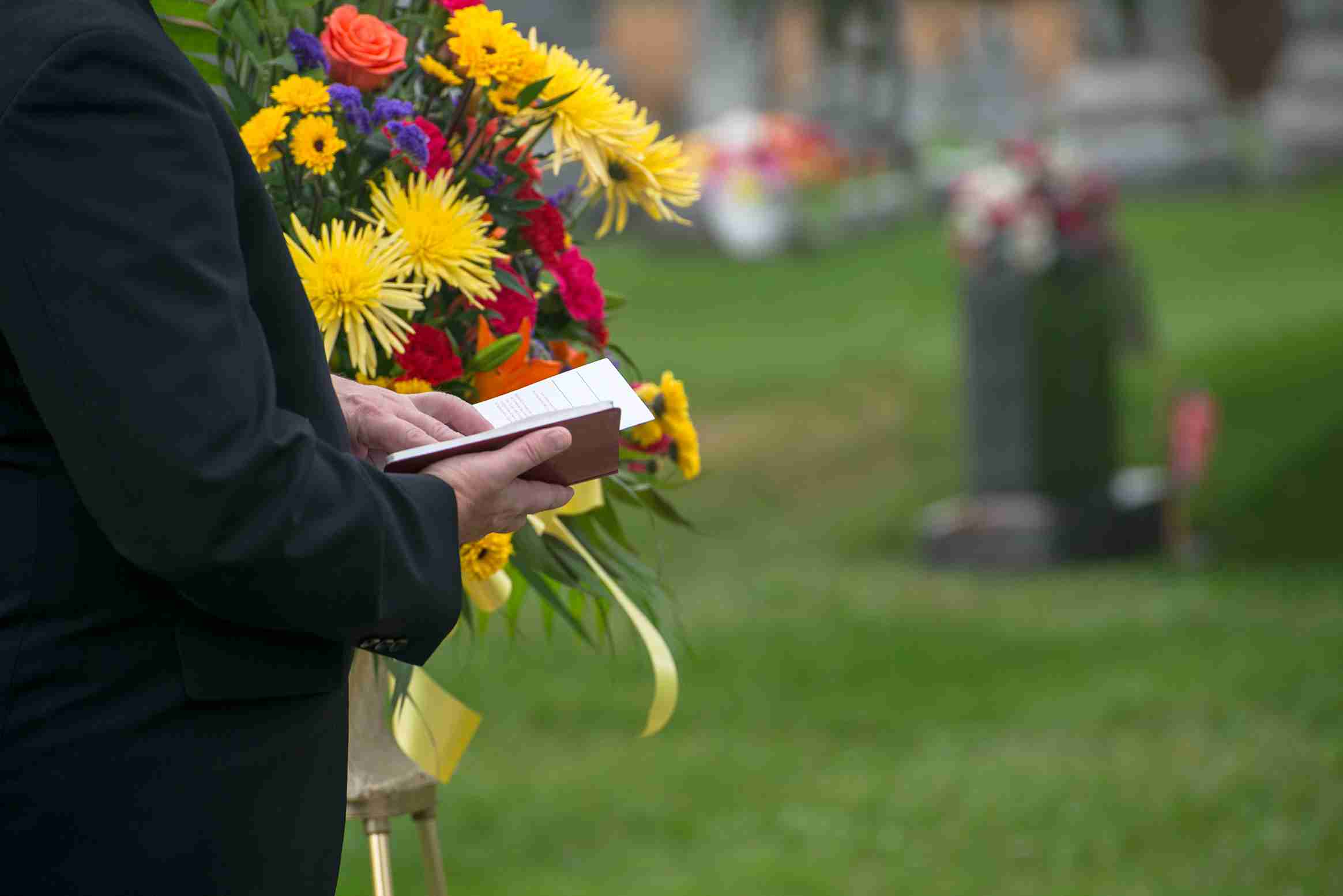
When someone dies, one of the first choices a family faces is what kind of funeral or cremation to arrange. Some prefer a familiar, traditional service with guests, flowers, and a ceremony. Others are drawn to something quieter and more personal — a direct cremation, with simplicity and calm at its heart.
Both are valid. Both can be deeply meaningful.
What is a traditional cremation?
A traditional cremation is what most people think of when they imagine a funeral. It usually involves:
A service or ceremony at the crematorium
Family and friends in attendance
A procession with a hearse
Flowers, readings, and music
A coffin on display during the service
After the service, the cremation takes place.
This type of funeral can be comforting — it provides a set time and place for people to come together, say goodbye, and share memories. But it can also be expensive and emotionally overwhelming, especially when arrangements need to be made quickly.
According to the SunLife Cost of Dying Report 2025, the average cremation funeral in the UK costs £4,285, before adding send-off extras such as catering or flowers.
What is a direct cremation?
A direct cremation is a simple, unattended cremation with no service at the crematorium. There are no mourners present, no hearse, and no ceremony — just a private, dignified cremation carried out with care.
Afterwards, the ashes are returned to the family, who can then choose how and when to say goodbye in a way that feels personal and unhurried.
With Best Direct Cremation, every cremation is arranged through a trusted, independent funeral director who looks after your loved one locally — ensuring dignity, warmth, and familiarity at every step.
For many families, this simplicity brings comfort. It allows them to grieve in their own way, without the pressure or formality of a traditional service.
Direct cremation vs traditional cremation: key differences
Here’s how the two options compare side by side:
| Feature | Direct Cremation | Traditional Cremation |
|---|---|---|
| Formal service | No — cremation takes place privately | Yes — includes a formal service with mourners |
| Attendance | Unattended (no guests) | Family and friends attend |
| Coffin type | Simple, dignified coffin included | Often decorative or custom-made |
| Vehicles | Collection only (no hearse or limousines) | Hearse and family cars |
| Cost (average UK 2025) | £950–£1,200 | £3,500–£5,000+ |
| Flexibility | High — family can plan their own memorial later | Fixed date, time and venue |
| Emotional tone | Calm, private, reflective | Formal and communal |
| Location | Usually local crematorium | Local crematorium or chosen chapel |
| Ashes returned | Yes, within days | Yes, after the service |
| Environmental impact | Often lower — fewer vehicles, simpler materials | Higher due to ceremony and logistics |
The emotional difference
At first, some people worry that direct cremation feels too impersonal — as though something is being “missed out.” But for many families, it can actually feel more personal.
Without the time pressure or cost of a traditional funeral, there’s space to say goodbye differently — perhaps in a garden, at home, or somewhere meaningful.
Families often say that direct cremation allows them to:
Grieve privately, in their own time
Create their own memorial or celebration later
Avoid stress or rushed decisions
Focus on what truly matters — care, remembrance, and peace
It’s a choice grounded not in avoidance, but in intention.
You can read about how to plan a celebration of life after a direct cremation here.
Why direct cremation is becoming more popular
In the past few years, direct cremation has quietly reshaped how people in the UK think about funerals.
According to the SunLife’s Cost of Dying Report 2025, 20% of cremations are now direct cremations — a figure that continues to grow each year.
Families are choosing it for a few simple reasons:
Affordability — typically one-third the cost of a traditional funeral
Simplicity — no formal ceremony to plan under stress
Flexibility — you can celebrate life your own way, later
Privacy — time to grieve without public pressure
At Best Direct Cremation, we see families choosing direct cremation not because they want “less,” but because they want something gentler and more meaningful — handled by local people who care.
Costs compared
To put things in perspective, here’s how costs typically compare across different cremation options in 2025:
| Type of Cremation | Average UK Cost (2025) | Includes |
|---|---|---|
| Direct cremation (unattended) | £950–£1,200 | Collection, care, coffin, cremation, return of ashes |
| Attended direct cremation | £1,500–£2,000 | Small number of mourners, short farewell at crematorium |
| Traditional cremation funeral | £3,500–£5,000+ | Full service, hearse, staff, flowers, printed materials |
These costs vary by region — London and the South East are usually highest — but direct cremation remains the most affordable choice nationwide.
Environmental considerations
More people are also thinking about the environmental impact of funerals.
A direct cremation generally uses fewer resources — no large gathering, fewer vehicles, and often a simpler, biodegradable coffin. It also avoids embalming and heavy use of flowers or printed materials.
While both cremation types have a carbon footprint, the simplicity of direct cremation means it’s often the more sustainable choice.
When traditional cremation may still feel right
For some families, the ceremony and ritual of a traditional cremation provide comfort and closure.
You might prefer a traditional cremation if:
You want a structured, communal farewell
Religion or culture plays a central role
Family and friends live close by and wish to attend
You find meaning in formal tradition
It’s not about one being “better” than the other — it’s about what feels right for your loved one and those closest to them.
When direct cremation might be right for you
A direct cremation may be right if you or your loved one:
Value simplicity, privacy, or minimal fuss
Prefer to avoid formal gatherings
Want a more affordable option without sacrificing dignity
Plan to hold a celebration of life later
Live far from family, or wish for a quiet, local farewell
It’s the right choice for those who believe goodbyes don’t have to follow a script — and that love and remembrance can take any form you choose.
How families personalise direct cremation
One of the biggest misconceptions is that a direct cremation means “no goodbye.” In reality, it often allows for a more personal one.
After the cremation, families might:
Scatter ashes somewhere meaningful
Host a memorial gathering at home or in nature
Create a photo book, playlist, or video tribute
Hold a toast or meal in their loved one’s memory
Plant a tree or dedicate a bench
By separating the cremation from the farewell, you gain flexibility — to grieve when you’re ready, in a way that feels most natural.
Frequently asked questions
Is direct cremation less respectful?
Not at all. Direct cremations are carried out with the same care, professionalism, and dignity as traditional ones — simply without a public ceremony.
Can I attend a direct cremation?
Usually, no — but many local providers, including Best Direct Cremation’s independent partners, can arrange a small, attended version if you wish.
Do I still get the ashes afterwards?
Yes. The ashes are returned to the family, who can keep, scatter, or inter them as they wish.
What’s included in a direct cremation package?
Everything essential: collection, care, cremation, coffin, paperwork, and return of ashes.
Can I plan one in advance?
Yes. Many people now plan and pay for their own direct cremation in advance, ensuring their wishes are known and easing the burden on loved ones.
A final thought
Whether you choose a traditional cremation or a direct cremation, what matters most is that it feels right — that it reflects the person’s values, personality, and wishes.
A traditional cremation offers ceremony and ritual; a direct cremation offers space, simplicity, and peace. Both can be beautiful, in their own way.
At Best Direct Cremation, we work with independent funeral directors who provide compassionate, local care — ensuring that every cremation, whether direct or attended, is handled with dignity and respect.
If you’re considering your options, you can learn more about arranging a direct cremation with Best Direct Cremation — and explore what feels right for you, at your own pace.