
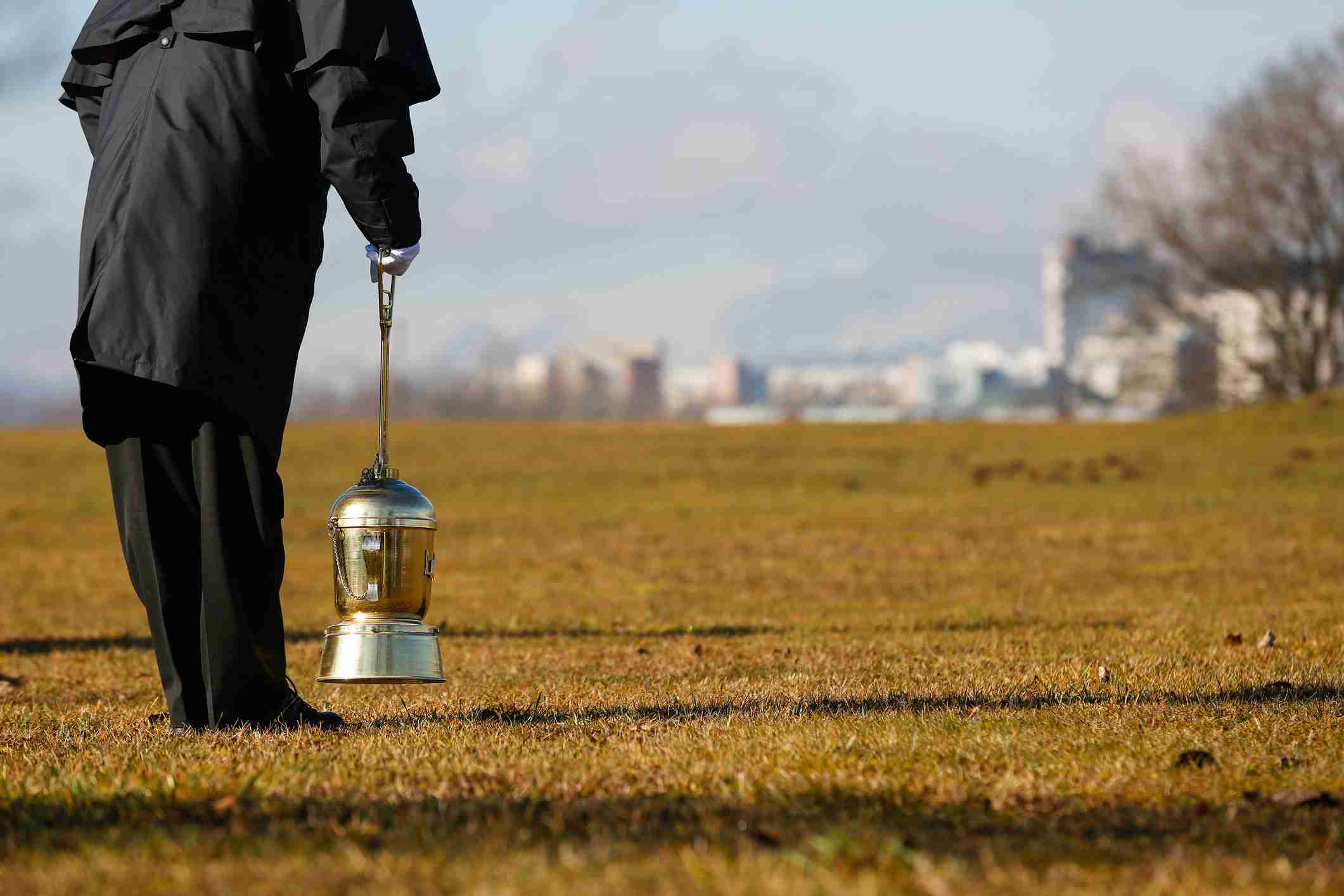
When Simple Guidance Matters Most
For some families, a direct cremation can be the right choice. It’s a simple, dignified way of saying goodbye without a traditional funeral service at the crematorium. And when you choose to arrange a direct cremation through an independent funeral director, you’re supported by people rooted in their community, who care for your loved one nearby, and who carry much of the practical burden for you.
This guide will walk you gently through how to arrange a direct cremation, what to expect along the way, and why choosing a trusted, independent funeral director can make all the difference.
Step 1: Understanding What a Direct Cremation Involves
Before making arrangements, it helps to be clear on what direct cremation means.
No service at the crematorium — the cremation takes place quietly, usually without mourners in attendance.
Always dignified and respectful — the absence of a service never means the absence of care.
Ashes returned afterwards — so you can hold your own memorial, scattering, or celebration of life later.
For some families, this simplicity provides comfort. There’s no pressure to organise a big service quickly. Instead, you can take time to grieve, reflect, and plan a farewell that feels personal.
With Best Direct Cremation, everything is handled by an independent funeral director near you. That means your loved one is cared for locally — not transported miles away to a central facility.
Step 2: Contacting a Funeral Director
Arranging a direct cremation begins with reaching out to a funeral director. If you choose an independent, family-run provider, you’ll be speaking with someone who understands the local crematoriums, knows the community, and has likely supported other families you know.
They’ll guide you through:
Initial collection — arranging to bring your loved one into their care from hospital, hospice, or home.
Explaining options — whether you’d like an unattended cremation, or an attended version where a few close family members can be present.
Answering your questions — every family is different, and no question is too small.
Many families tell us that the relief they feel once they’ve spoken to a local funeral director is enormous. Suddenly, you’re not carrying this alone.
Step 3: Registering the Death
Every death in the UK must be registered, usually within five days in England, Wales and Northern Ireland (and within eight days in Scotland). This can feel daunting, but your funeral director will explain what’s needed and when.
Typically you’ll need:
Medical certificate of cause of death (provided by the doctor or hospital)
Details of the person who has died (full name, date of birth, address, occupation, NHS number if known)
The registrar will then issue the death certificate, which is essential for moving forward.
Your independent funeral director won’t complete this step for you, but they will make sure you know exactly what to bring and where to go — often saving hours of confusion.
Step 4: Completing the Necessary Paperwork
Cremation requires specific paperwork. In England and Wales, the process changed in September 2024, when the Government abolished the doctor’s cremation certificate (Cremation Form 4). Now, a Medical Examiner system signs off the paperwork instead.
Your funeral director will:
Liaise with doctors, hospitals, and the Medical Examiner (if required)
Make sure all forms are correctly completed and submitted on time
Keep you updated, so you’re not left chasing documents
This behind-the-scenes work is one of the biggest benefits of using an independent funeral director. They take on the responsibility, leaving you with fewer worries.
Step 5: Care of Your Loved One
Once in the care of the funeral director, your loved one will be treated with dignity and respect. Independent directors often take pride in their personal approach — smaller teams, familiar faces, and a sense of responsibility to their community.
This stage usually includes:
Preparing a simple, suitable coffin for cremation
Safe and gentle care in local facilities
Arranging transport to the chosen crematorium
Knowing your loved one is close by, cared for locally, can bring great comfort.
Step 6: The Cremation Itself
For an unattended direct cremation, the cremation will usually take place at a quieter time of day, without mourners present.
For an attended direct cremation, a small number of family members may be present — but there is typically no full service. Some families choose to play a piece of music or share a few words privately.
Your funeral director will explain what’s possible at your local crematorium and arrange everything in line with your wishes.
Step 7: Returning the Ashes
After the cremation, ashes are carefully collected and returned to the family. Options include:
Collecting directly from the funeral director
Delivery to your home
Keeping them safe until you’re ready
What happens next is entirely up to you. Some families scatter ashes in a meaningful place, others choose to bury them, and many keep them at home or in a memorial urn.
Independent funeral directors can often suggest local places for scattering or memorials, drawing on their knowledge of the community.
Step 8: Creating Your Own Farewell
One of the benefits of direct cremation is the freedom it gives you to say goodbye in your own way.
Families often choose to:
Hold a celebration of life at home, in a garden, or in a favourite venue
Organise a memorial service in a church, hall, or community space
Gather informally to scatter ashes in a place of significance
There are no rules, and your independent funeral director can help guide you with suggestions.
Why Choose an Independent Funeral Director?
Arranging a direct cremation can feel simpler when you know your loved one is being cared for by someone nearby, who sees their role as more than just a job.
Independent funeral directors:
Work within their own communities, often for generations
Provide more flexible, personalised service than large national providers
Are often more accommodating with timings, attendance, and special requests
Ensure your loved one is cared for locally, without unnecessary transport
At Best Direct Cremation, we only partner with independent funeral directors. That means every family receives genuine care, personal attention, and dignity from start to finish.
If you’d like to learn more, please see how Best Direct Cremation works with local providers to support families like yours.
FAQs: Arranging a Direct Cremation
Do I have to arrange everything myself?
No. Once you’ve registered the death, your funeral director will take care of almost everything else — paperwork, collection, transport, and liaising with the crematorium.
Can I still see my loved one beforehand?
Some independent funeral directors do offer private viewings by arrangement, even for direct cremations. Ask your director what’s possible locally.
How soon does the cremation happen?
Usually within a couple of weeks, depending on paperwork and crematorium availability. Your funeral director will keep you informed.
Do I need to choose a crematorium?
Not usually. Your independent funeral director will recommend the most suitable local crematorium and make the arrangements.
Is direct cremation always unattended?
No. Some crematoriums allow a small number of people to attend. Your funeral director will explain what options are available.
Closing Thoughts: Supported Every Step of the Way
Arranging a funeral can feel like a mountain to climb — but with a direct cremation, and the support of a caring independent funeral director, it doesn’t have to be overwhelming.
From the moment you make that first call, much of the responsibility is taken off your shoulders. You’re guided through each step with kindness, your loved one is cared for locally, and you have space to grieve without pressure.
Whether you want the quiet simplicity of an unattended cremation, or the closeness of attending in person, the choice is yours. What matters most is that it’s done with dignity, compassion, and care — values at the heart of every independent funeral director we work with at Best Direct Cremation.
When you’re ready, learn more about arranging a direct cremation with Best Direct Cremation — we’re here to help, with trusted local funeral directors across the UK.