
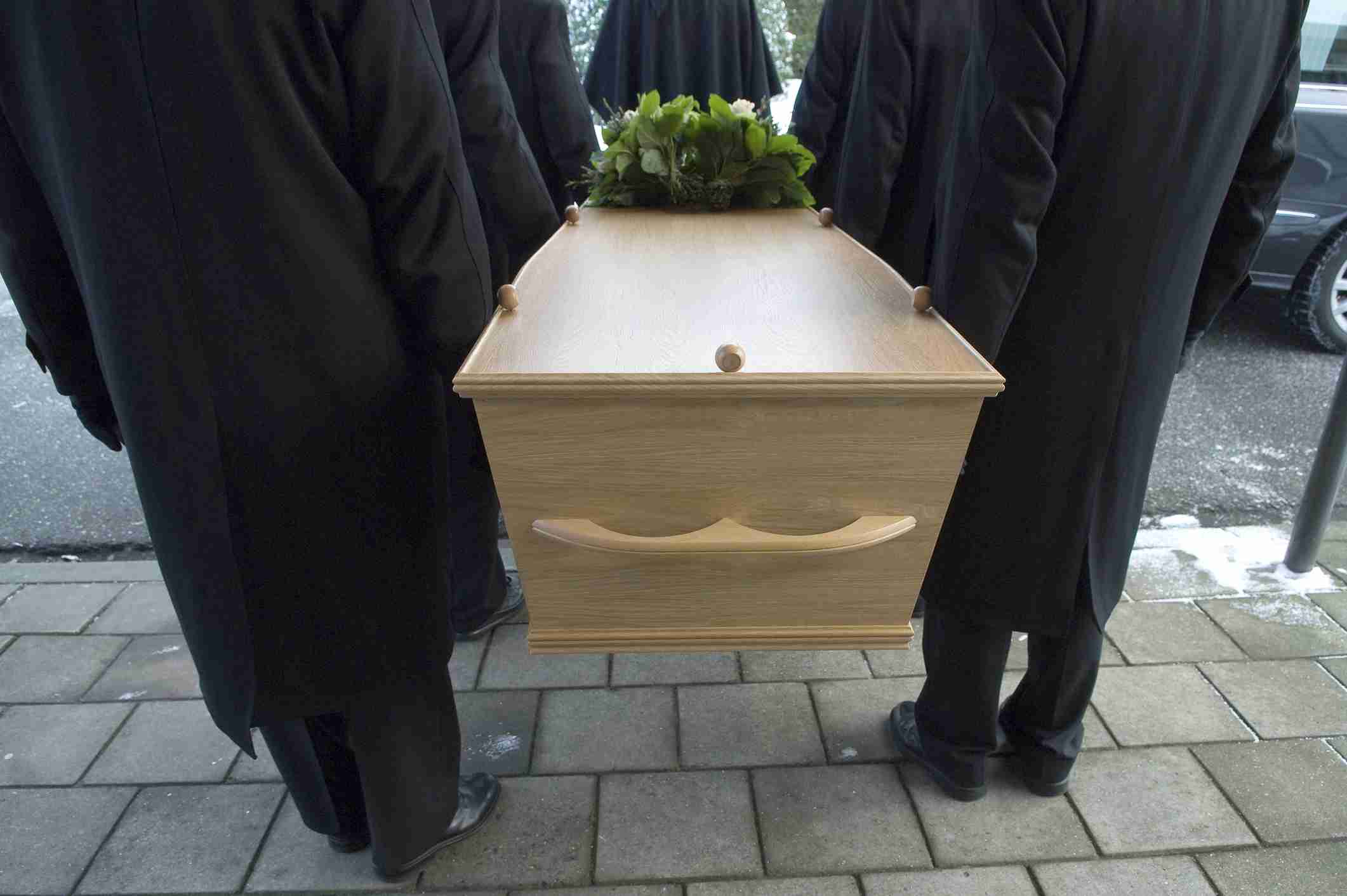
This guide walks you gently through the different coffin options available in the UK, what they’re made from, how much they typically cost, and how to make a choice that feels right for your loved one, your values, and your budget.
Whether you’re arranging a cremation now or planning ahead, knowing what’s available can bring a small sense of calm at a difficult time.
Why the coffin matters
Every coffin serves the same purpose: to hold and protect the person who has died, with dignity and respect. But coffins also reflect a family’s wishes, values, and, more increasingly, their desire for simplicity or sustainability.
In recent years, more people have been looking for affordable coffin options that are also gentle on the environment. Families are asking questions like:
“Do we need something elaborate?”
“Are eco coffins accepted at crematoriums?”
“Can we keep things simple, but still respectful?”
The answer to all of these is yes. There are options for every preference, and every budget.
Coffins and direct cremation
For a direct cremation, the coffin is usually simpler and more practical than one used for a traditional funeral. There’s no viewing or service before the cremation, so there’s no need for polished veneers, ornate handles, or linings.
Instead, direct cremation coffins are designed to be:
Dignified but understated
Sturdy and safe for cremation
Environmentally friendly
Affordable and inclusive of all essentials
That simplicity is part of what keeps direct cremation costs low, without compromising care or respect.
When you arrange a cremation through Best Direct Cremation, your loved one will be cared for by a local, independent funeral director who selects a simple, high-quality coffin suitable for cremation — included in the price of the service.
Common coffin materials and average UK prices
Here’s a guide to the most common coffin types you’ll encounter, what they’re made of, and typical UK price ranges.
| Material / Type | Typical Price Range (UK) | Sustainability | Best For |
|---|---|---|---|
| Cardboard | £150–£350 | Highly eco-friendly, biodegradable | Direct cremations, eco burials |
| Veneered wood (MDF/chipboard) | £250–£600 | Moderate — recyclable veneer and wood by-products | Traditional look at low cost |
| Solid wood (oak, pine, mahogany) | £600–£1,500+ | Natural, renewable, but higher environmental impact | Traditional funerals |
| Wicker (willow, bamboo, seagrass) | £400–£900 | Highly sustainable, biodegradable | Green funerals and cremations |
| Shroud or soft coffin | £200–£600 | Fully biodegradable, fabric-based | Natural burial sites |
| Specialist/metal coffins | £1,000–£3,000+ | Not biodegradable, rarely used for cremation | Repatriation or unique requests |
These prices can vary depending on the region, the supplier, and the level of personalisation. Most direct cremation packages include a simple wood-effect or cardboard coffin, suitable for the crematorium’s requirements.
Cardboard coffins
Once seen as unconventional, cardboard coffins are now widely accepted and increasingly popular — especially for direct cremations.
They’re made from strong, reinforced cardboard, capable of supporting an adult weight safely. Many are made from recycled paper and biodegradable adhesives.
Why families choose them:
Affordable and environmentally friendly
Simple, dignified, and often locally made
Can be plain or printed with soft colours or patterns
They’re ideal for families who value sustainability, minimalism, or wish to reduce costs while maintaining care and respect.
Veneered wood coffins
Veneered MDF or chipboard coffins are among the most common options in the UK. They’re made by covering a lightweight wooden base with a thin veneer of oak, walnut, or mahogany finish.
Benefits include:
A traditional wood appearance at a lower cost
Widely accepted at all crematoria
Available in different shades and finishes
These are the types often included within standard funeral packages or direct cremations provided by independent funeral directors.
Wicker and eco-friendly coffins
Wicker coffins, often woven from willow, bamboo, or seagrass, have become a symbol of natural simplicity. They’re fully biodegradable, made using renewable materials, and can feel softer and more personal than traditional wood.
Families who choose eco-friendly coffins often do so because they align with their loved one’s values — a connection to nature, a wish for sustainability, or a desire for something less formal.
Many independent funeral directors who work with Best Direct Cremation offer locally crafted eco-coffins — allowing families to make environmentally conscious choices while supporting small UK suppliers.
Solid wood coffins
While less common for direct cremations, solid wood coffins — made from oak, pine, or mahogany — remain a popular choice for traditional funerals or attended services.
They’re beautiful and long-lasting but carry a higher price and a heavier environmental footprint.
If your loved one valued craftsmanship or tradition, this may still feel like the right choice, even if a simpler option would suffice for cremation.
Shrouds and soft coffins
Burial shrouds — made from cotton, linen, bamboo, or wool — are becoming more common for natural or woodland burials.
For cremation, shrouds must be used with a rigid base or frame to comply with crematorium regulations.
While shrouds are less common in urban settings, they offer a comforting, close connection to nature — and are welcomed in many green cemeteries and crematoria. They represent one of the most natural and minimal forms of farewell.
Choosing a coffin: key considerations
When selecting a coffin, consider:
Crematorium requirements: Some crematoria have size or material restrictions, especially for eco options.
Sustainability: Do you want biodegradable or renewable materials?
Budget: What feels reasonable within your means?
Aesthetic preferences: Do you prefer simplicity or something traditional?
Personal values: Would your loved one have chosen natural, minimalist, or ornate?
Remember: there is no right or wrong choice. What matters most is that it feels appropriate and meaningful to you and your family.
The emotional side of choosing a coffin
Many families describe this as one of the hardest decisions — not because of cost or design, but because it makes everything feel real.
- Take your time.
- Talk to your funeral director.
- It’s okay to keep things simple.
Independent funeral directors understand this moment deeply. They’ll help you find something dignified and affordable — whether that’s a plain cardboard coffin, a woven wicker design, or a simple veneered option.
Frequently asked questions
Do you have to buy a coffin from the funeral director?
No — you can source a coffin from elsewhere if you prefer. However, most funeral directors include a suitable coffin within their service cost.
What is the cheapest coffin for cremation?
Cardboard and simple veneered coffins are the most affordable, typically between £150 and £400.
Are eco coffins accepted everywhere?
Yes, most crematoria accept biodegradable coffins, though it’s best to check materials in advance.
Can I decorate or personalise a coffin?
Yes. Many cardboard and wicker coffins can be personalised with messages, colours, or natural embellishments.
What happens if I choose a direct cremation?
The coffin is included and handled by your local funeral director — simple, respectful, and suitable for cremation.
A final word
Choosing a coffin can feel like an impossibly personal decision. But it’s also an act of love — one last expression of care, chosen thoughtfully and in line with what matters most to you.
Whether you prefer something natural, traditional, or simple, every option can carry meaning and dignity.
At Best Direct Cremation, we work with independent funeral directors who offer a range of affordable and eco-friendly coffin options, ensuring your loved one is cared for locally, respectfully, and in accordance with their wishes.
When you’re ready, you can learn more about arranging a direct cremation with Best Direct Cremation — and take the next step with gentle, experienced guidance.